

Nearly everything about today’s business landscape is fast-paced. As far as optimizing your value stream is concerned, you snooze, you lose! Think about how companies like Amazon and Netflix have mastered their value streams to deliver high-quality products and services at remarkable speeds. They’ve cracked the code on something that many organizations are still struggling to figure out.
It’s for this reason that the role of value stream manager is gradually gaining prominence in modern organizations. While traditional project managers focus on timelines and deliverables, and product managers zero in on feature sets and market fit, value stream managers take a broader, more holistic view.
You might be wondering why this role has emerged now and what exactly it is about. Well, today, I’ll be shedding more light on what makes this role unique and why it’s becoming increasingly critical in today’s technology-driven world.
What is a Value Stream Manager?
A value stream manager is the architect of efficiency in modern organizations, particularly in software development environments. They help plot the most efficient route from idea to end user while avoiding roadblocks along the way.
How are they different from other managers? Well, unlike product managers who focus on feature sets and market fit, value stream managers take a high-level view of the entire system. Software development has become increasingly complex, and cross-functional teams have become the norm. Ergo, organizations have realized they need someone to see the bigger picture. They need someone who can spot bottlenecks before they become problems and identify opportunities for continuously improving the entire development process. Value stream managers seamlessly meet this need.
Through day-to-day monitoring and long-term strategic planning, these professionals help organizations stay competitive by optimizing their entire value stream. They spot potential issues before they become problems, facilitate communication across departments, and ensure that every step in the process adds value to the final product.
What Does A Value Stream Manager Do?
So, what role exactly does a value stream manager play within an organization? Let’s find out!
Process Mapping and Analysis
A value stream manager starts by creating detailed maps of how value flows through the organization. They track everything from initial concept discussions to final delivery, identifying each step, handoff, and potential friction point along the way. By analyzing these stream metrics, they can spot where time is being wasted or where quality might be compromised.
For example, they might discover that while coding takes a reasonable amount of time, code reviews are creating unexpected delays because of scheduling conflicts between team members. This high-level view helps them make informed decisions about process improvements that can significantly impact the bottom line.
Bottleneck Identification and Resolution
One of the most crucial aspects of their role is identifying bottlenecks in the development process. But they don’t just point out problems they actively work to solve them. Using data and cross-functional collaboration, they determine whether a slowdown is caused by insufficient resources, process inefficiencies, or communication gaps.
Consider a scenario where deployment frequencies are lower than industry standards. A value stream manager might discover that while the development team is continuously improving their code quality, the manual testing process is creating a significant backlog. They might then advocate for automated testing solutions or recommend restructuring the QA process to maintain high quality while improving speed.
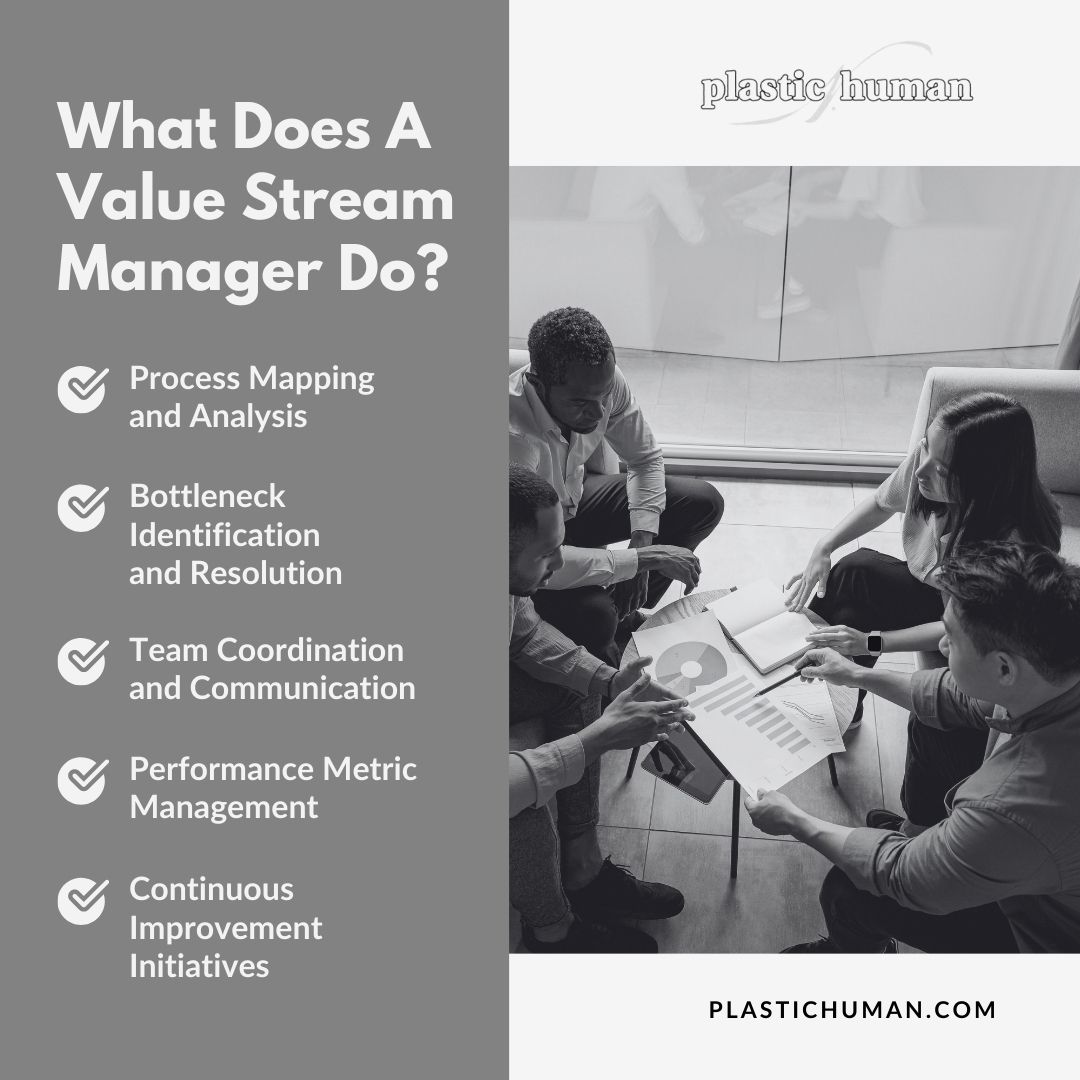
Team Coordination and Communication
Value stream managers work closely with product managers, development teams, operations staff, and other stakeholders to ensure smooth collaboration. They act as bridges between different departments, translating technical constraints for business teams and business requirements for technical teams.
This coordination is essential for long-term success. When teams understand how their work impacts others in the value stream, they make better decisions that benefit the entire process rather than optimizing for their part alone.
Performance Metric Management
Day-to-day monitoring of key performance indicators is another vital responsibility. Value stream managers track metrics like lead time, cycle time, deployment frequency, and change failure rates. But they don’t just collect numbers they translate this data into actionable insights that drive improvements in the software development process.
For instance, if they notice that change failure rates are increasing, they might work with development teams to implement better testing practices or with operations teams to improve deployment procedures, ensuring a high-quality product or service reaches the customer.
Continuous Improvement Initiatives
This is perhaps the most important role. Value stream managers don’t just solve immediate problems; they look for opportunities to make systematic improvements that prevent issues from occurring in the first place.
This might involve implementing new tools, suggesting process changes, or advocating for additional training and resources. They understand that in today’s competitive landscape, standing still means falling behind, so they’re always looking for ways to optimize and enhance the value stream.
How To Become A Value Stream Manager
Aspiring to become one of the most important figures in your organization as a value stream manager? Here’s how to become one:
Educational Foundation
The journey typically begins with a bachelor’s degree in a relevant field like computer science, business administration, or industrial engineering. However, what’s more important is understanding both technical and business concepts. Many successful value stream managers start in software development roles or project management positions before transitioning into value stream management (VSM).
You can also consider pursuing certifications in Lean methodologies, Agile frameworks, or specific VSM tools. These credentials demonstrate your commitment to understanding the principles that underpin effective value stream optimization. Organizations like the Value Stream Management Consortium offer specialized certifications that can give you a competitive edge.
Technical Experience
Hands-on experience in software development or IT operations is invaluable. You need to understand the day-to-day challenges teams face to effectively identify bottlenecks and propose solutions. Aim to spend time working directly with development teams, even if in a junior role. This experience helps you grasp the technical nuances of the development process and builds credibility with technical teams.
That’s not all. Try to gain exposure to different aspects of the software development lifecycle. Work on projects where you can see how code moves from development to testing to deployment. Understanding these workflows firsthand will help you spot inefficiencies and opportunities for continuously improving processes.
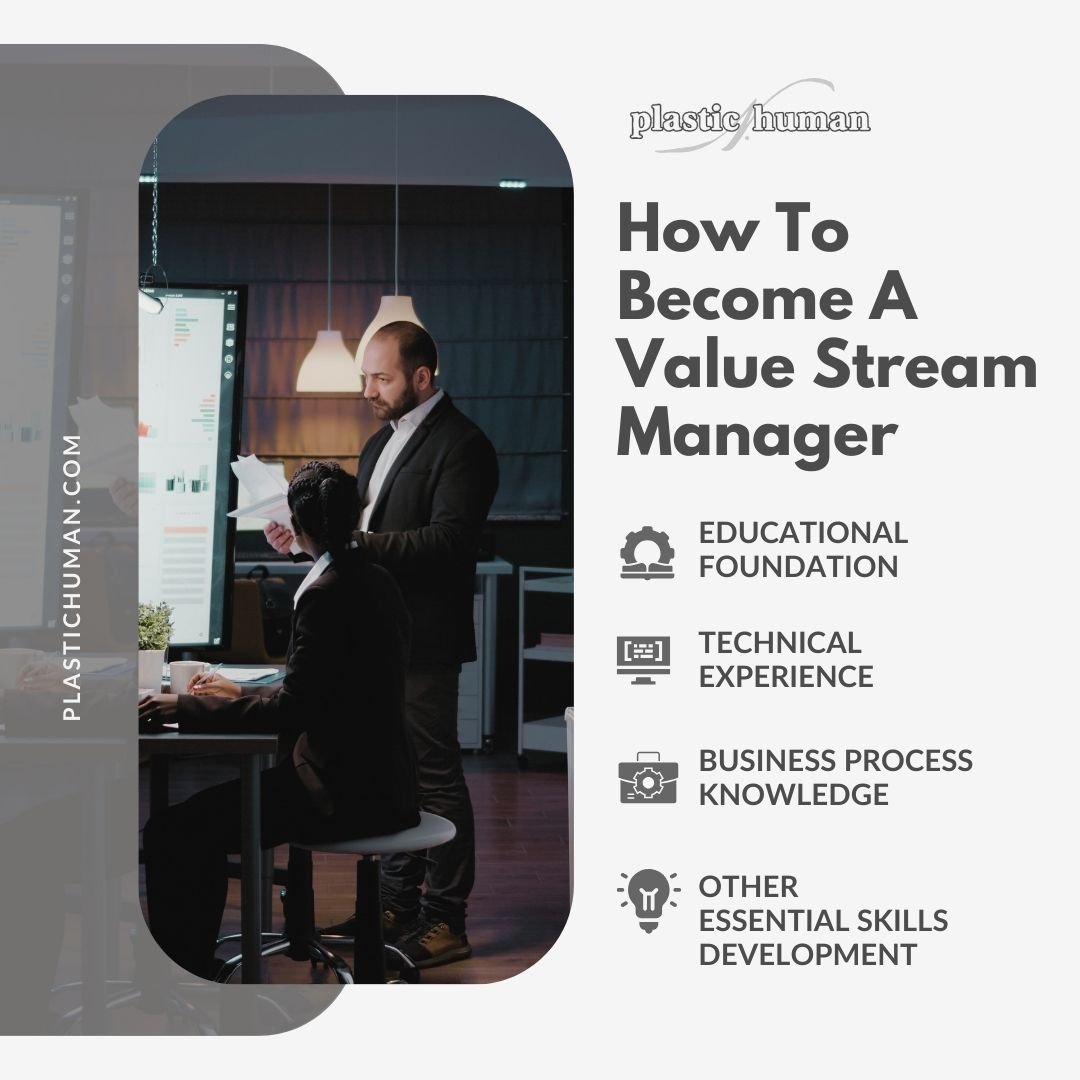
Business Process Knowledge
Develop a strong understanding of business processes and how they integrate with technical operations. Take on roles or projects that expose you to product managers and business stakeholders. Learn how business decisions impact technical implementation and vice versa. This high-level perspective is crucial for balancing technical capabilities with business objectives.
You may also want to consider volunteering for cross-functional projects where you can observe how different departments interact. While there, pay attention to how value flows through the organization and where communication breakdowns occur.
Other Essential Skills Development
There are some additional skills you may want to acquire, as they will come in handy or give you an edge over others. These include analytical skills, communication skills, and even leadership skills. Organizations know the immense positive impacts of having leaders across different teams. Hence, they are no longer looking for just managers. Instead, organizations need leader-managers. Check out this blog post for how exactly managers become leaders.
Value Stream Managers will play an increasingly vital role in shaping how organizations deliver value to their customers.
Beyond just improving metrics and identifying bottlenecks, effective value stream management creates something truly transformative. They create a workspace where teams can focus on what they do best while continuously improving their processes.
The path to becoming a value stream manager might seem challenging, but each step you take toward better value stream management brings your organization closer to operational excellence. Start small, focus on understanding your current processes, and gradually build toward more sophisticated improvements. Remember, even the most efficient value streams didn’t get that way overnight. They were built through persistent effort and a commitment to continuous improvement.
The future belongs to organizations that can deliver value swiftly and sustainably and Value Stream Managers are the key to unlocking that potential. You can take that first step towards actualizing your career goals by subscribing to my weekly blog and podcast. By doing so, you’ll get access to regular updates on management insights, professional development strategies, and top leadership advice.
Want a taste of the amazing value you’ll get? Check out my blog post on the best books for first-time managers. Mind you, that’s just the tip of the iceberg. You’ll also find my top recommendations for best books on operating systems, best leadership books for women, and lots more. See you there!