

Safety in the workplace is just as important as it is anywhere else. However, ensuring employees are safe at working isn’t just about putting up “Watch Your Step” signs along corridors or workstations. It also goes beyond making sure Bob from Accounting doesn’t try to fix the electrical socket with a metal fork. Instead, it’s about creating an environment where safety is woven into the culture one where safety protocols are integrated into daily routines, and employees can focus on their work without worrying about whether they’ll make it home in one piece.
There’s more! While establishing a positive culture at work is nice, workplace safety isn’t just some “nice to have” perk like free coffee or casual Fridays. Rather, ensuring workplace safety is actually required by law. That’s right it’s not optional! But here’s the million-dollar question that keeps popping up: Who’s actually responsible for keeping everyone safe?
Is it the boss who sits in his corner office? The HR team? That one super-cautious colleague who reminds everyone to tuck in their chair? Or is it someone else? Well, today, we’ll be answering this question and also touching on how to promote a healthy and safe environment for everyone at work.
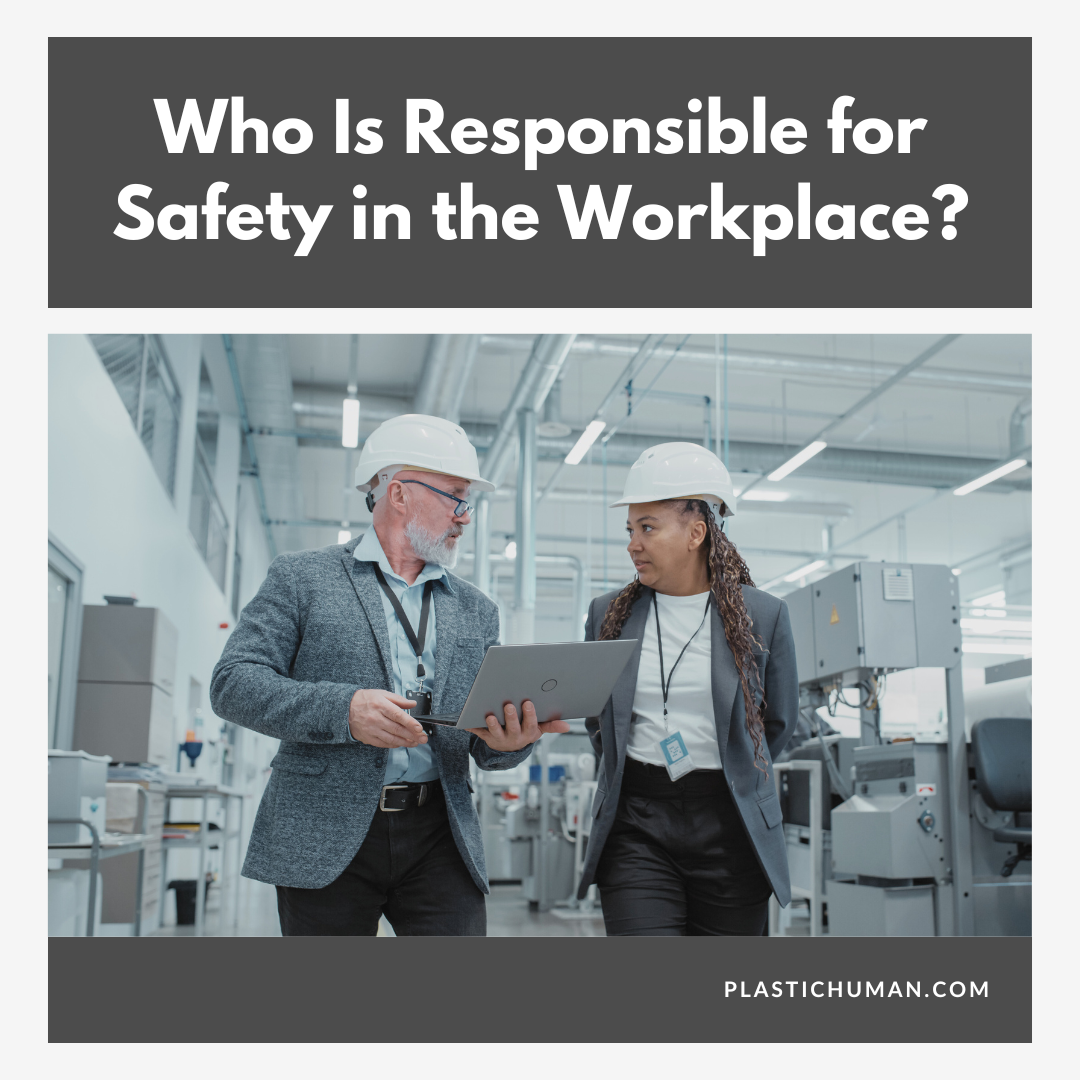
Who Is Responsible for Safety in the Workplace?
When it comes to workplace safety, it’s like that old saying about raising a child it takes a village. Safety in the workplace is something that affects every single one of us who’s ever earned a paycheck. That’s why, in this post, we’re going to crack open the safety manual and dig into the nitty-gritty of workplace safety.
You need this! Whether you’re a CEO, a middle manager, or someone who just started their first job last week, you’ll find valuable insights here. After all, nobody wants to be that person who has to explain to their boss how they managed to turn the office kitchen into an accidental fire hazard.
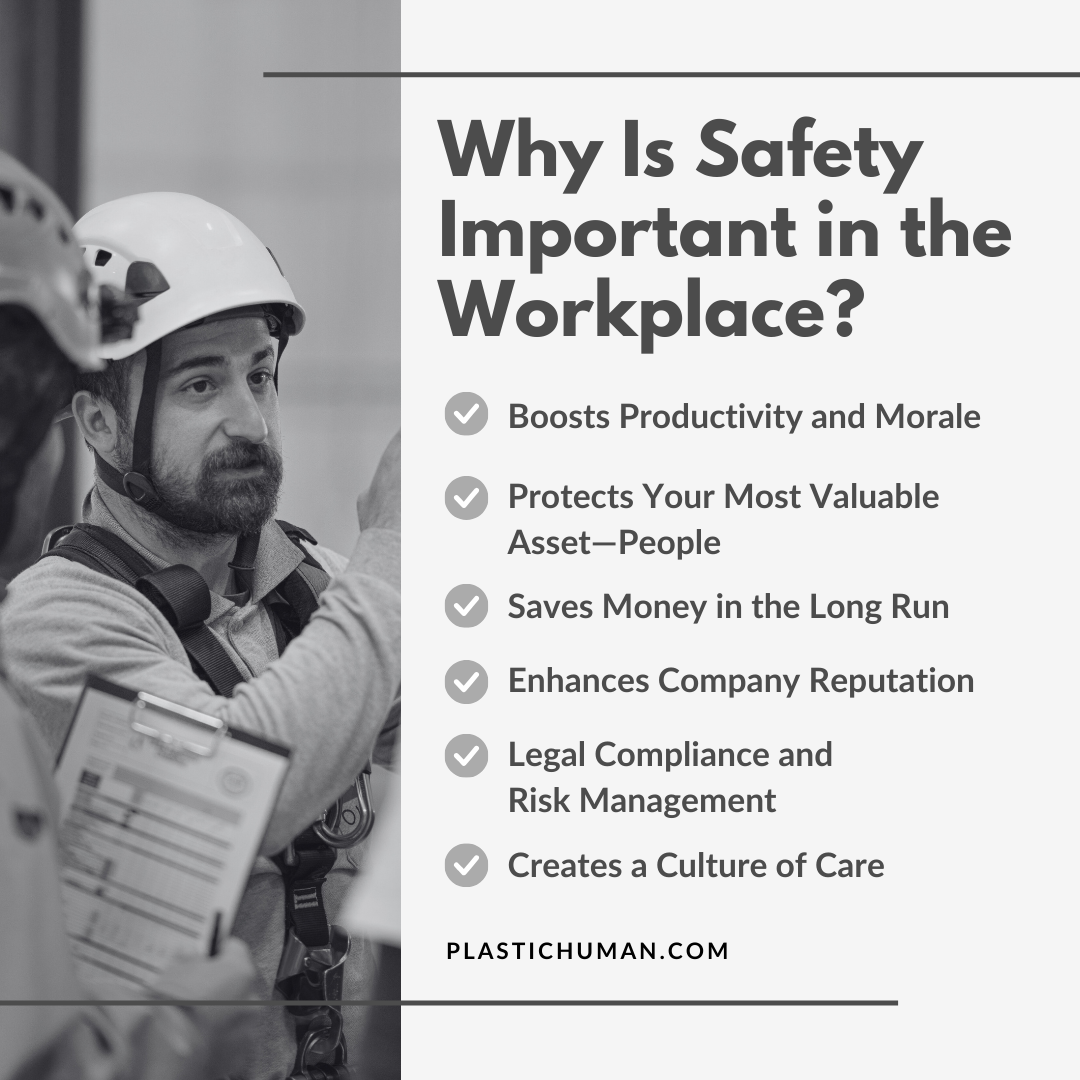
Why Is Safety Important in the Workplace?
Below are some cogent reasons why keeping everyone safe at work should be at the top of your priority list:
Boosts Productivity and Morale
Picture this: you’re running a business that’s moving smoothly. Your profits are up, and employees are happy. But then, a preventable accident suddenly happens, and everything grinds to a halt. This is why workplace safety isn’t just another box to tick. Rather, it’s the backbone of any successful organization. And, it’s not just that.
Ever tried working while worried about whether that wobbly ceiling tile might finally make its grand descent? Safety concerns distract employees from doing their best work. When people feel safe, they focus better, work more efficiently, and actually enjoy coming to work.
Protects Your Most Valuable Asset People
Your employees aren’t just numbers on a payroll they’re real people with personal lives, families, and dreams of their own. A safe workplace shows you value their well-being above everything else. When employees feel protected, they’re more likely to stick around, be productive, and not spend their lunch breaks updating their resumes or complaining to their peers.
Saves Money in the Long Run
Think safety measures are expensive? Then try dealing with workplace accidents! Between medical bills, legal fees, insurance premium hikes, and lost productivity, unsafe practices can cost organizations a fortune. It’s in unsavory times like this that some CEOs later realize an ounce of prevention is worth a pound of “Why didn’t we fix that broken handrail sooner?”
Enhances Company Reputation
In today’s social media age, news of safety incidents spreads faster than office gossip. A strong safety record isn’t just good for employee welfare it’s also great for your brand. Customers, partners, and potential employees are more likely to want to work with a company that prioritizes safety over cutting corners.
Ensures Legal Compliance and Manages Risk
Like I mentioned earlier, ensuring workplace safety is a serious requirement under the law. And the truth is, nobody wants OSHA showing up unannounced or dealing with workplace injury and illness lawsuits. OSHA, or Occupational Safety and Health Administration, is the government body saddled with the responsibilities for healthy and safe working environments nationwide. Having a robust safety program keeps you compliant with the Safety and Health Act of 1970 and helps manage risks before they become problems.
Creates a Culture of Care
You may be asking, how does leadership influence organizational culture? A commitment to safety shows that you’re serious about creating a positive workplace culture. It sends a clear message: “We care about you as a person, not just as an employee.” This kind of culture builds loyalty, trust, and a sense of community that money can’t buy. Workplace safety is also among what has the biggest positive impact on workplace cooperation.
Who Is Responsible for Maintaining Safety in the Workplace?
Most people automatically conclude it’s solely the employer’s responsibility to provide a safe workplace. Well, they couldn’t be more wrong. Workplace safety isn’t a one-person show. Everyone, from top to bottom, has a role to play.
Starting at the top, the first point of call is OSHA. They set the rules, conduct inspections, and can hand out some pretty hefty fines when companies don’t play by the safety rulebook. They’re the ones who make sure companies don’t cut corners when it comes to your well-being. And it’s not just them. State-level agencies often work alongside OSHA, adding extra layers of protection and enforcement.
Moving on, employers bear the lion’s share of safety responsibilities. They’re legally required to tick a number of boxes all aimed at making the workplace free from serious recognized hazards. This includes ensuring equipment and tools are properly maintained, supplying necessary personal protective equipment (PPE), training employees about potential hazards in a language they understand, among other things.
Up next are the managers and supervisors. They’re responsible for implementing safety policies, conducting regular safety meetings, and addressing safety concerns promptly. They’re also expected to set good examples by following safety protocols and ensuring proper training for their team members.
It doesn’t end there! Employees have responsibilities, too. They are expected to follow safety procedures and protocols, use the required protective equipment at all times, and participate in occupational safety and health programs. Employees should also speak up when they see something unsafe and look out for their coworkers’ safety.
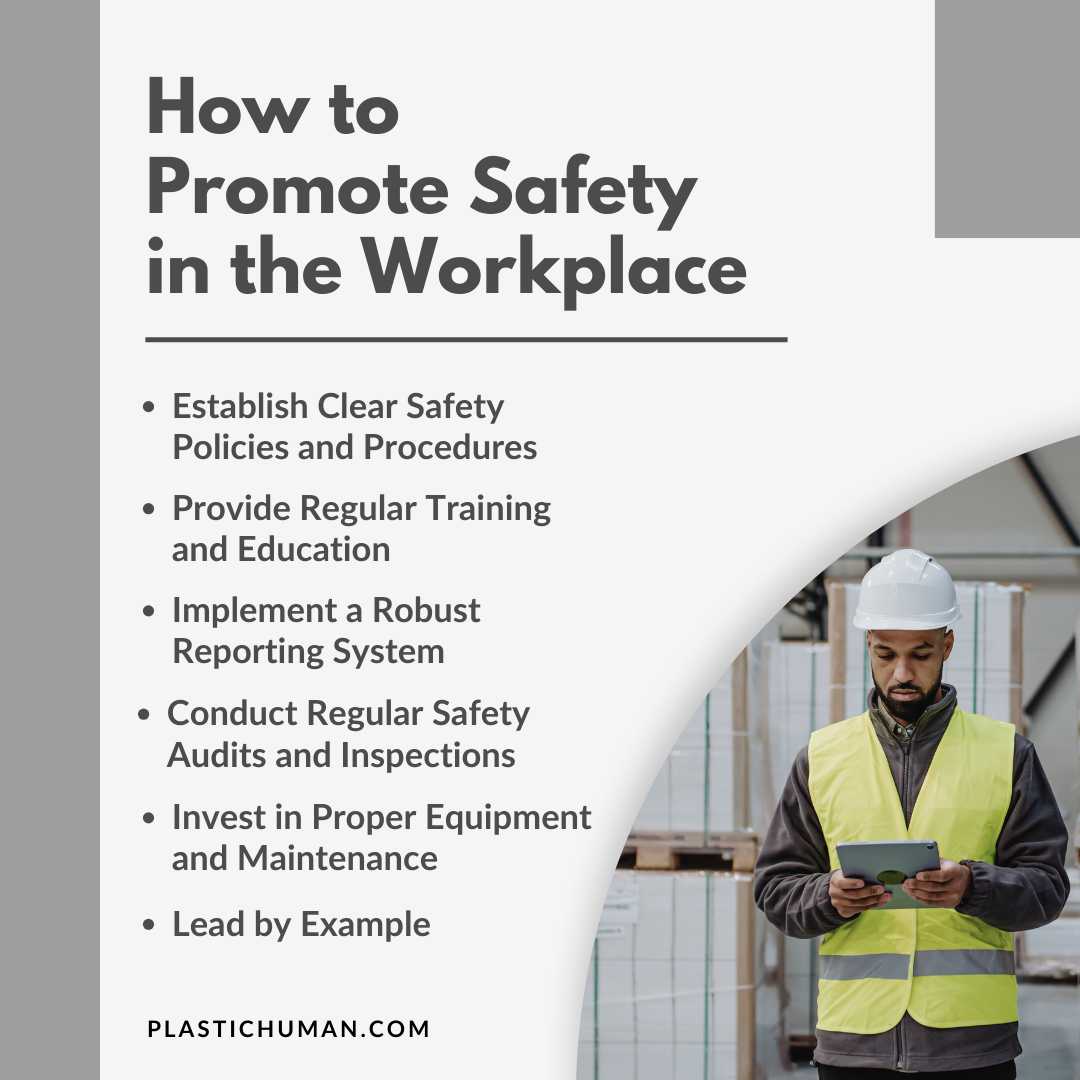
How to Promote Safety in the Workplace
Now that we’ve established that workplace safety is a collective responsibility, how can you make it happen?
Establish clear safety policies and procedures.
Having a solid foundation is very important in anything we do. The same applies to workplace safety. Everyone, from top to bottom, needs to understand all the dos and don’ts as they concern safety in the workplace. And, it all starts with creating a comprehensive safety policy that is easy to understand and follow. Such policies must also be made easily accessible to all employees.
And, to keep these procedures effective, you need to regularly update them based on feedback and any incidents that occur. Be sure to also develop specific protocols for different departments and have emergency response plans in place.
Provide regular training and education.
Repetition is, indeed, the mother of learning. When your team undergoes regular safety training, they become sharper, more safety-conscious, and up-to-date on the latest trends. For the best effect, conduct monthly safety workshops. However, make training interactive and engaging using mixed media like videos, hands-on demos, and simulations. Try to use real-world examples and scenarios, too. You can also create quick reference guides for common procedures that may be accessed at any time.
Implement a robust reporting system.
As a manager or business owner, you cannot be everywhere at the same time. That also means you may not be privy to everything going on in the workplace. Hence the need for a robust reporting system, especially on safety matters. You can make it easier to report safety concerns by creating multiple channels for reporting. This could be via company app, email, or hotline.
However, it’s important you put some things in place for the reporting system to be productive. For starters, ensure confidentiality when needed, and respond promptly to all reports. You should also keep everyone informed by providing regular updates on reported issues, as well as proposed or enacted solutions. Even better, celebrate those who speak up about safety concerns to further encourage others.
Conduct regular safety audits and inspections.
Your workplace, tools, and equipment need regular check-ups, too. That’s how you ensure they all stay in tip-top shape. To do this, schedule monthly safety walkthroughs, create detailed inspection checklists, and document findings with photos and notes. Then, follow up on identified issues promptly and keep records of all inspections and actions taken.
Invest in proper equipment and maintenance.
The right tools make all the difference. Don’t cut costs by buying substandard equipment, as they always backfire eventually. Only purchase high-quality safety equipment, maintain regular equipment maintenance schedules, and replace worn or outdated equipment promptly. Be sure to also train employees on proper equipment use and stock adequate supplies of safety gear.
Lead by example.
This is very important. Actions speak louder than words (and memos). So, management should always follow safety protocols and wear appropriate safety gear when required. You should also make safety a regular topic in meetings, participate in safety training, and address safety concerns immediately. This is exactly how managers become leaders. You can also check out my top 10 books on leadership for additional insights.
Creating a safe workplace requires commitment and collaboration.
Workplace safety isn’t just about following rules or avoiding accidents. It’s also about creating a safe environment where everyone can focus on doing their best work without worrying about their well-being. When everyone takes responsibility for workplace safety, from the CEO to the newest intern, morale improves and productivity soars.
For more on creating a safer, more productive work environment and advancing your professional journey, subscribe to my weekly blog and podcast. Every week, I dole out regular doses of actionable insights, proven strategies, and expert guidance on everything from leadership skills development to conflict resolution, professional growth, and lots more. See you at the top!